

Compare GGG products
0 productsType: Ammunition
No products listed yet
We're still adding GGG products to the catalog.
GGG ammunition
GGG loads are sold per caliber. Pick a caliber to compare every GGG listing.
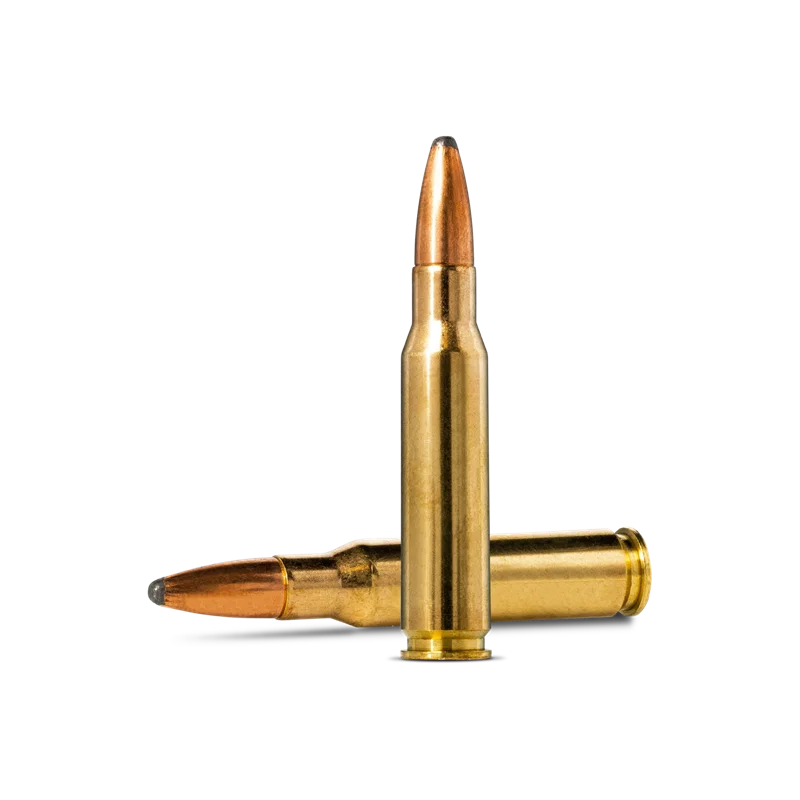
GGG — Giraitės Ginkluotės Gamykla — is Lithuania's state-owned ammunition manufacturer and the largest small-caliber cartridge producer in the Baltic states. For American shooters it's a bit of a sleeper: an affordable rifle-ammo brand that punches above its price because of two deliberate choices — brass cases with Boxer primers, and premium match bullets from Sierra and Nosler in its top loadings. It's not a household name in the U.S. the way the big domestic brands are, but where it's stocked it offers training and match ammo at value-tier prices.
GGG's U.S. presence centers on the two calibers that matter most to AR and bolt-gun shooters: .223 Remington and .308 Winchester. The company produces both a budget FMJ training tier and a genuine match tier in each, which makes it easy to slot into a range bag without much guesswork.
History & background
GGG is wholly owned by the State of Lithuania and operates from its plant in Lithuania, supplying military, law-enforcement and civilian customers and exporting to dozens of countries. That defense-industry background shapes the brand: GGG is built for large-series production to NATO-standard specifications, with the consistency that comes from making ammunition for armed forces. The civilian lineup is essentially that same manufacturing capability turned toward sport and training ammo.
What sets GGG apart from a lot of Eastern European production is its commitment to brass cases and Boxer priming across the board. Many budget imports from the region use Berdan priming, which makes the spent cases impractical to reload. GGG doesn't — every loading is brass-cased and Boxer-primed, so the brass is reusable. For a price-conscious shooter who also handloads, that's a meaningful difference, because you're effectively buying reloadable components at training-ammo prices.
What they're known for
GGG's reputation rests on combining cheap-brand pricing with name-brand bullets. Its match loadings use projectiles that the American precision community already trusts — Sierra MatchKing and Nosler — rather than generic in-house bullets. Paired with reloadable brass, that's an unusual value proposition in the budget segment.
In .308 Winchester, the lineup runs from a 147-grain FMJ boat-tail — the classic NATO M80-style training weight — up through match loads built on the 168-grain Sierra MatchKing and a heavier 175-grain Nosler hollow-point boat-tail. The 168-grain MatchKing is one of the most widely used match bullets in the world for distances out to roughly 600 yards, while the heavier 175-grain bullet holds its trajectory better at longer range, where it stays stable past the point lighter bullets start to struggle.
In .223 Remington, GGG offers FMJ training loads (typically 55- and 62-grain) for general practice, plus match loads including a 69-grain Nosler hollow-point and a 77-grain Sierra MatchKing boat-tail hollow-point. The 77-grain load is the .223 flagship for precision work at 200 to 600 yards — but it carries an important caveat: heavy .223 bullets need a fast rifling twist. The 77-grain load requires a 1:8 twist barrel (or faster); in slower 1:9 or 1:12 barrels it won't stabilize and accuracy falls apart. Always check your barrel's twist rate before buying the heavy match loads.
Buying guide — which GGG is right for you
The choice comes down to caliber, purpose and whether you reload.
Start with your rifle's caliber, which fixes the product line: .308 Winchester for most bolt guns and AR-10-pattern rifles, .223 Remington for AR-15s and light sporting rifles. From there, the real decision is training versus match.
For range work, zeroing, drills and general high-volume practice, the FMJ loads are all you need. The .308 147-grain FMJ and the .223 55/62-grain FMJ are the economical, everyday choices — and because the brass is Boxer-primed, they double as a cheap source of reloadable cases if you handload.
Step up to the match loads only when your rifle and your shooting can actually use the precision. The Sierra MatchKing and Nosler loadings cost more, and there's no point paying for them if your rifle, optic and trigger time aren't up to sub-MOA shooting yet — premium ammo won't fix an inaccurate setup. For shooters who are ready: in .308, the 168-grain MatchKing is the go-to inside 600 yards and the 175-grain Nosler is the better long-range pick; in .223, the 77-grain MatchKing is the top accuracy load, provided your barrel has a 1:8-or-faster twist.
Reputation & reviews
GGG flies under the radar of the big U.S. gun-press tests, which is typical for value-segment imports — but its loadings lean on Sierra MatchKing and Nosler bullets that are extensively documented and respected in the American precision community, which gives buyers a known quantity to anchor on. The brand is well established in European and Baltic competition, particularly in service-rifle and dynamic disciplines. For a relatively low cost of entry, it's an easy brand to test for yourself: buy a box, see how it groups in your rifle, and decide from there.
GGG on US-GUNDEALS
On US-GUNDEALS, GGG sits in the value tier of the .223 Remington and .308 Winchester categories, but with a twist that separates it from typical budget ammo: brass cases, Boxer primers and — in the match loads — Sierra and Nosler bullets. That makes it a strong pick for shooters who want affordable training fodder, reloadable brass, or inexpensive match ammo. Availability is narrower than the major U.S. brands, so compare current GGG prices and case counts across the shops listed on US-GUNDEALS.
Sources: https://www.ggg-ammo.lt/en · https://thegunzone.com/where-is-ggg-ammo-made/ · https://www.countrywidesports.com/ggg-giraites-ginkluotes-gamykla/